
Exploring the psychology behind casino gaming strategies
The Allure of Casino Gaming
Casino gaming is not just a game of chance; it’s a captivating blend of psychology, strategy, and risk-taking behavior. Many players are drawn to the thrill of the gamble, which activates the brain’s reward system, releasing dopamine and creating a sense of excitement. This combination of chance and reward is what makes casinos so appealing, as players often chase the rush of winning and the hope of hitting australian online casinos real money it big.
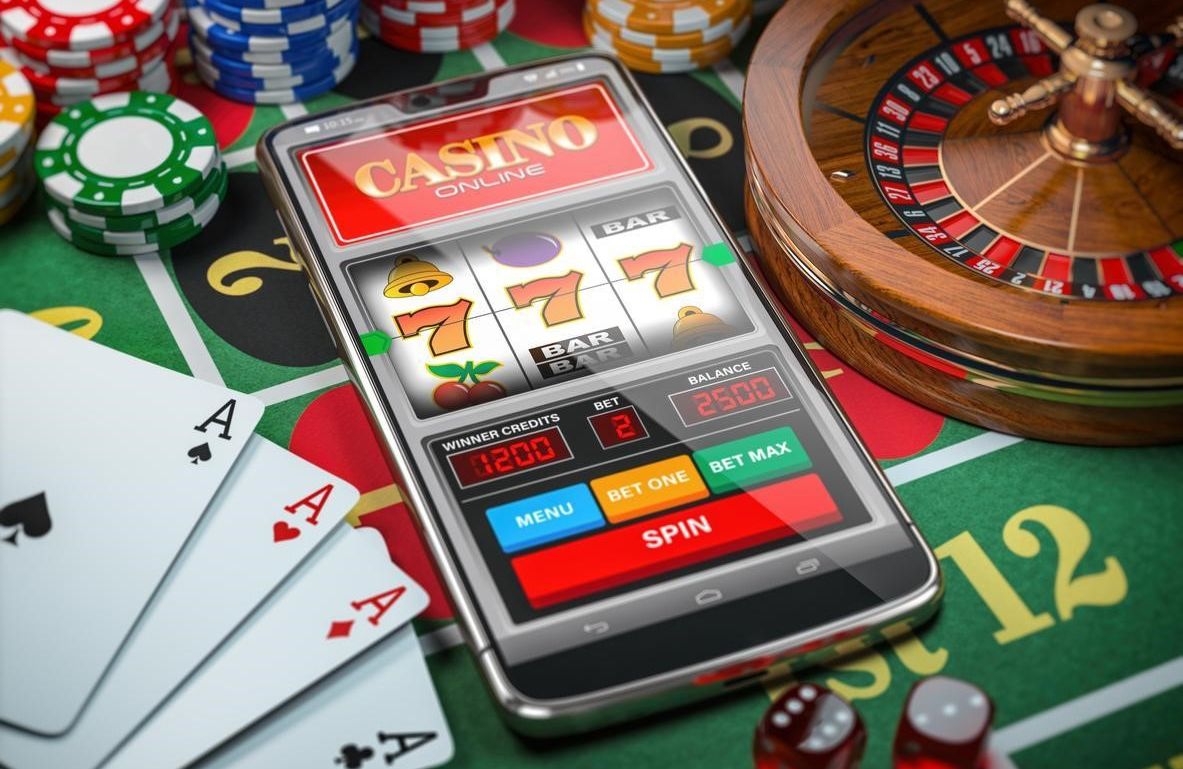
The environment within casinos also plays a crucial role in shaping player behavior. Bright lights, enticing sounds, and the overall ambiance are designed to keep players engaged and prolong their stay. This carefully curated atmosphere can lead individuals to make impulsive decisions, often overshadowing rational thinking, which can significantly influence their gaming strategies.
The Role of Cognitive Biases
Cognitive biases greatly impact how players approach casino games. One of the most common biases is the illusion of control, where players believe they can influence the outcome of a game through skill or strategy, even in games purely based on chance. This belief can lead players to adopt specific strategies that they think will yield better results, despite the odds being against them. Understanding these biases is crucial in enhancing gambling strategies.
Another significant cognitive bias is the gambler’s fallacy, which occurs when players believe that past events will influence future outcomes. For instance, if a player experiences a losing streak at the roulette table, they may think they are “due” for a win soon, prompting them to continue betting. Recognizing this pattern can help players develop more rational gaming strategies and recognize when their judgment may be clouded.
Adaptive Strategies in Gambling
Players often adapt their strategies based on their experiences and outcomes. Effective gaming strategies vary significantly from player to player, depending on their understanding of probability, risk tolerance, and personal goals. Some may focus on a conservative approach, managing their bankroll meticulously, while others might adopt a more aggressive style, seeking to maximize winnings in a shorter time frame.
Furthermore, experienced gamblers often study the psychology behind their opponents, particularly in games that involve skill, such as poker. By reading body language and understanding psychological cues, these players can adjust their strategies to exploit their opponents’ weaknesses. This psychological aspect adds an additional layer to strategy development, demonstrating how crucial insight into human behavior can be in gambling.
The Emotional Experience of Gambling
The emotional journey of gambling can significantly impact a player’s decision-making process. From the exhilaration of winning to the frustration of losing, these emotions can lead to impulsive or irrational choices during gameplay. Emotions like excitement and anxiety can drive players to take undue risks, potentially leading to unfavorable outcomes.
Additionally, understanding one’s emotional state is crucial for developing effective gaming strategies. Players who can recognize when they are feeling overly confident or frustrated may find it beneficial to take a break or reassess their approach. Emotional regulation, therefore, becomes an integral part of crafting a successful strategy in the casino gaming environment.
Conclusion: Continuous Learning and Growth
In the vast landscape of casino gaming, understanding the psychological factors at play is essential for developing effective strategies. Gamblers can enhance their experiences and outcomes by recognizing cognitive biases, adapting their approaches, and managing their emotions. Engaging with the psychological aspects of gaming not only enriches the gaming experience but also promotes responsible gambling.
As players navigate the complexities of casino gaming, educational resources and training programs can be invaluable. Exploring platforms that offer courses in gambling strategy and psychology can provide players with the tools they need to make informed decisions. Continuous learning and personal development are key components of a successful gambling strategy, fostering a more rewarding gaming experience.